 Dibz
Foreign buyer ban to 2029: what it means for GTA buyers
Ottawa plans to extend the foreign buyer ban to January 1, 2029 and exempt new homes. What that changes for GTA buyers on work or study permits.
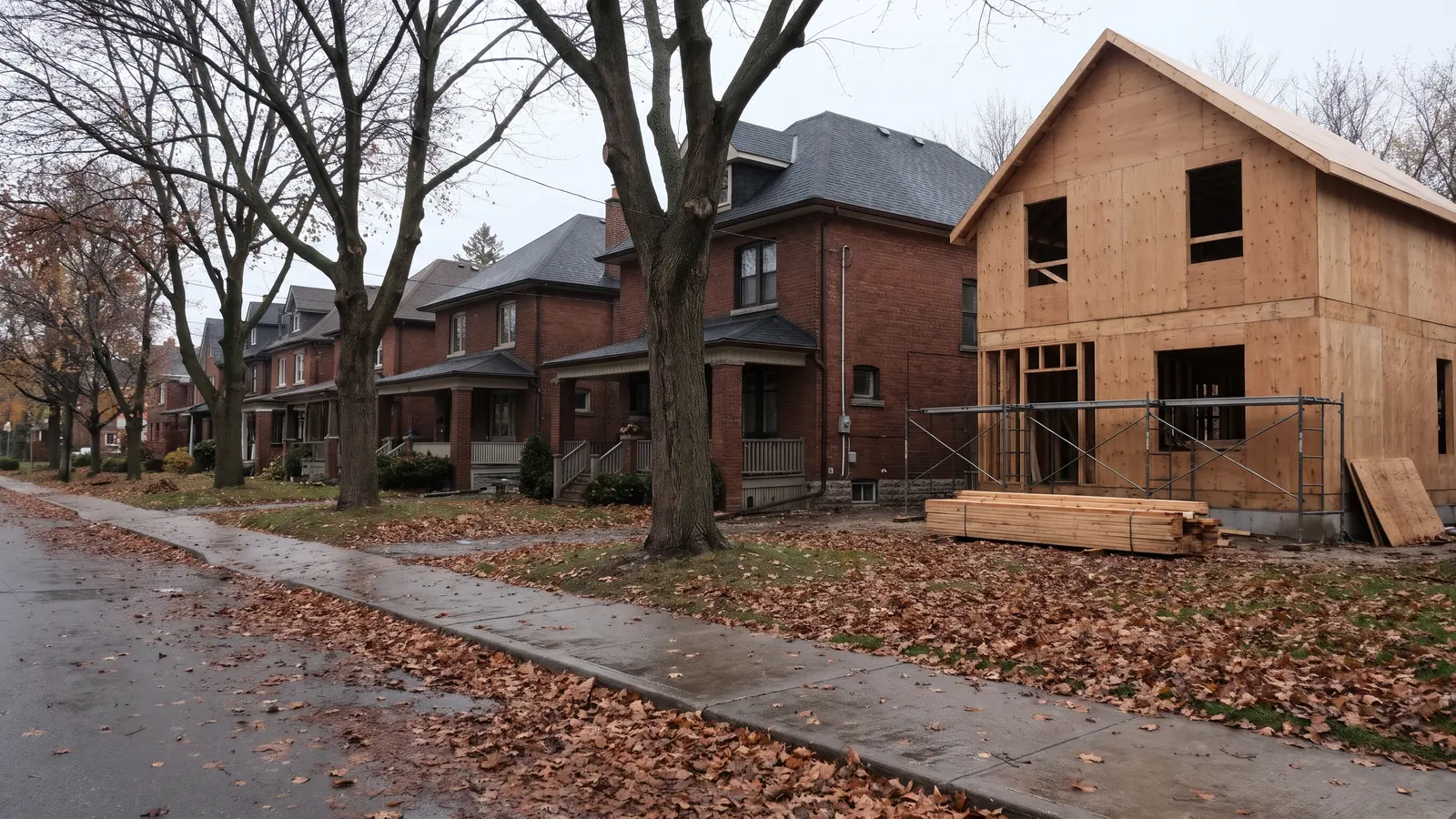
On November 16, 2026, the federal government put forward legislative proposals to extend Canada's ban on foreign purchases of existing homes by two years, to January 1, 2029. It also plans to exempt new residential properties from the ban, through a regulatory process it says will start "in short order". Neither change is law yet. If you're a Canadian citizen or a permanent resident, nothing changes for you. If you're in the GTA on a work or study permit, the rules you already know stay in place for existing homes, and Ontario's 25% Non-Resident Speculation Tax still applies either way.
Below: what was announced, who the ban covers today, what the new-home exemption could mean, and what to do if you're planning a purchase.
The extension and the new-home exemption are proposals. They are not in force until the legislation passes and the regulations are made.
Source: Department of Finance Canada news release, November 16, 2026; Budget 2026, Chapter 3; Prohibition on the Purchase of Residential Property by Non-Canadians Act and Regulations; CMHC; Ontario Ministry of Finance; City of Toronto.
What Ottawa announced
The ban is the Prohibition on the Purchase of Residential Property by Non-Canadians Act. It came into force on January 1, 2023 for two years. In February 2024 the government announced a two-year extension, to January 1, 2027, which is about six weeks away.
Budget 2026 proposed a second extension. In the budget's words, it would extend the ban on foreign purchases of existing residential properties for two years, to January 1, 2029, "while exempting new residential properties". The stated goal is to keep most of the market for Canadians while drawing more investment into new housing supply.
On November 16, the Minister of Finance and the Minister of Housing and Infrastructure moved that plan forward with legislative proposals. The news release says two things about housing:
- The extension. The ban on foreign purchases of existing residential properties would run to January 1, 2029.
- The new-home exemption. The government "will launch a regulatory process in short order to exempt new residential properties".
The release also says the government will continue to support measures by other levels of government that address speculation. In Ontario, that means the provincial and Toronto speculation taxes described below aren't going anywhere because of this.
What hasn't been published yet: the final legislation as passed, the date the new-home exemption would start, and what counts as a "new residential property". Until those exist, treat the exemption as a plan, not a rule.
Who the ban covers today
These rules come from the Act and its regulations as they stand now. The proposal extends them; it doesn't rewrite them for existing homes.
You're not affected if you're a Canadian citizen, a permanent resident, or a person registered under the Indian Act. The Act doesn't treat you as a non-Canadian, wherever you live.
The ban applies to non-Canadians, which includes people who are in Canada as temporary residents, foreign corporations, and Canadian corporations that aren't listed on a Canadian stock exchange and are controlled by non-Canadians.
What it covers. Residential property means a detached house or similar building with up to three dwelling units, a semi-detached house, a rowhouse unit or a residential condo unit. CMHC notes that buildings with four or more units aren't covered. The ban applies only inside census metropolitan areas and census agglomerations, which CMHC describes as areas with a population of at least 100,000 and at least 10,000. CMHC has an address lookup on its page about the Act if you want to check a property.
Exceptions that matter most to GTA buyers:
- Work permit holders. You can buy if you have 183 days or more of validity left on your work permit or work authorization on the date of purchase, and you haven't bought more than one residential property.
- International students. You can buy if you filed tax returns for each of the five years before the purchase, were physically in Canada at least 244 days in each of those five years, pay no more than $500,000, and haven't bought more than one residential property.
- Buying with a spouse or common-law partner who is a Canadian citizen, a permanent resident, a person registered under the Indian Act, or someone who qualifies under an exception themselves.
- Protected persons and eligible refugee claimants, among a few other classes.
Penalties. A non-Canadian who breaks the ban, and anyone who knowingly helps them, can be fined up to $10,000 on conviction. A court can also order the home sold, and the buyer can't get back more than the price they paid.
The new-home exemption: what we know
Very little so far, and it's worth being plain about that. The budget and the news release say new residential properties would be exempt, and that the aim is to encourage investment in new construction. The release compares the approach to Australia's, which generally bars foreign purchases of existing homes but allows foreign investment in newly built ones.
For a GTA buyer on a study permit, or a work permit with less than 183 days left, this could one day open the door to a pre-construction condo or a newly built house when a resale home stays off limits. But the regulations that will define a new home, and set any conditions, haven't been released. Don't sign an agreement for a new build on the strength of the announcement alone.
The taxes that don't go away
The federal ban and Ontario's Non-Resident Speculation Tax (NRST) are separate. Ontario's Ministry of Finance says so directly: being covered by an exception to the federal ban doesn't make you exempt from the NRST.
- Ontario NRST: 25%. It applies when a foreign national (someone who isn't a citizen or permanent resident, or registered under the Indian Act), a foreign corporation or a taxable trustee buys residential property anywhere in Ontario. It's charged in addition to regular land transfer tax.
- Toronto MNRST: 10%. Since January 1, 2025, foreign buyers of certain residential properties in the City of Toronto also pay the Municipal Non-Resident Speculation Tax, in addition to Toronto's own land transfer tax.
A worked example. You hold a work permit with a year left, so the federal ban doesn't stop you, and you buy a $900,000 townhouse in Mississauga. The NRST is 25% of $900,000, which is $225,000, on top of regular land transfer tax. The same price in the City of Toronto would add another 10%, or $90,000, for $315,000 in speculation taxes before regular land transfer taxes.
Ontario lists some relief. An exemption may be available if you're a nominee, a protected person, or the spouse of a Canadian citizen, permanent resident, nominee or protected person. A rebate may be available if you become a permanent resident within four years of the date the transfer is registered. Each has conditions, so have a real estate lawyer confirm them before you rely on one.
You can work out the regular land transfer tax on any price with our land transfer tax calculator, and see the full list of closing costs in our Ontario closing costs guide.
What this means for GTA buyers
- Citizens and permanent residents: carry on. The ban never applied to you, and the extension doesn't change your down payment, your taxes or your first-time buyer refunds.
- On a work permit: check the expiry date before you write an offer. You need 183 days or more left on the date of purchase. If you're renewing, time the purchase around the new permit. Budget for the 25% NRST unless a lawyer confirms an exemption.
- On a study permit: the five-year tax and presence tests and the $500,000 price limit are demanding. For most students the practical route to buying is permanent residence first.
- Waiting for January 1, 2027: if you planned to buy a resale home once the ban lapsed, plan on it continuing. The government has moved to legislate the extension, and the current end date is weeks away.
- Interested in a new build: wait for the regulations. Ask the builder's sales office and your lawyer what your status allows today, not what may be allowed later.
- About to become a permanent resident: it's often worth waiting. As a permanent resident you're outside the ban and don't pay the NRST. Our guide for newcomers buying a home covers credit, down payments and mortgages for new arrivals.
If you're eligible to buy now, you can browse homes for sale in Mississauga or any GTA city on Dibz, and buy with an agent who can book showings for you. Tell your agent and your lawyer your immigration status at the start, so the offer is written with the right dates and taxes in mind.
FAQ
Is the foreign buyer ban extended to 2029?
Not yet in law. The federal government proposed the extension in Budget 2026 and put forward legislative proposals on November 16, 2026 to extend the ban on foreign purchases of existing residential properties to January 1, 2029. It takes effect once Parliament passes the legislation.
Can foreigners buy new homes in Canada now?
Not on the strength of this announcement. The government says it will launch a regulatory process to exempt new residential properties, but the regulations haven't been published, so there's no start date or definition yet. Today the ban covers new and existing homes alike, subject to the existing exceptions.
Can I buy a house in Ontario on a work permit?
Yes, if you have 183 days or more of validity left on your work permit or work authorization on the date of purchase and you haven't bought more than one residential property. You would generally still owe Ontario's 25% Non-Resident Speculation Tax unless an exemption applies.
Does the foreign buyer ban apply to permanent residents?
No. Permanent residents, Canadian citizens and people registered under the Indian Act aren't non-Canadians under the Act. Permanent residents also don't pay Ontario's NRST.
What is the penalty for breaking the foreign buyer ban?
A fine of up to $10,000 on conviction, for the buyer and for anyone who knowingly helps them. A court can also order the property sold, with the buyer receiving no more than the purchase price they paid.
Sources
- Department of Finance Canada: Government of Canada tables plan to ease grocery costs, support homeownership, and encourage new home construction (news release, November 16, 2026): the extension to January 1, 2029, the regulatory process for new homes, the comparison with Australia
- Budget 2026, Chapter 3: A more affordable life: the proposal to extend the ban and exempt new residential properties
- Prohibition on the Purchase of Residential Property by Non-Canadians Act (current to October 29, 2026): who is a non-Canadian, what residential property is, the spouse exception, the $10,000 fine and court-ordered sale
- Prohibition on the Purchase of Residential Property by Non-Canadians Regulations (current to October 29, 2026): the work permit and student conditions, census areas, the limit on sale proceeds
- CMHC: Prohibition on the Purchase of Residential Property by Non-Canadians Act: the start date, the extension to January 1, 2027, buildings with four or more units, the address lookup
- Ontario: Non-Resident Speculation Tax: the 25% rate, who pays, how it relates to the federal ban, exemptions and the permanent resident rebate
- City of Toronto: Municipal Land Transfer Tax and Municipal Non-Resident Speculation Tax (modified December 22, 2025): the 10% MNRST since January 1, 2025
This article is general information, not legal, tax or financial advice. Rules change; confirm the details with your lawyer, lender or the official source.
Dibz is a home search app for the Greater Toronto Area, built on the live TRREB MLS® feed and operated by HighPoint Homes Realty, Brokerage. We write these guides from what we see in the market every day and check every rule and number against official sources, listed at the end of each article. Charts marked "Dibz analysis" are calculated from active MLS® listings on the date shown. How we research, date and correct articles: our editorial policy.
Keep reading
Statement of adjustments in Ontario (2026): who pays what
The statement of adjustments splits property tax, condo fees and other costs between you and the seller on closing day. How it works, with a worked example.
What does a real estate lawyer do for a buyer in Ontario? (2026)
Your lawyer checks title, handles the money, pays land transfer tax and registers the home in your name. What they do, the rules they follow and what you pay.
Title insurance in Ontario (2026): what it covers, do I need it?
Title insurance isn't required in Ontario, but many buyers get it. What it covers, what it leaves out, the lawyer's duties and the government's fund.