 Dibz
Pre-closing visits in Ontario (2026): how many, what to check
No law gives Ontario buyers a set number of pre-closing visits. Your agreement does. How to ask for them, who can come, and what to check before closing day.
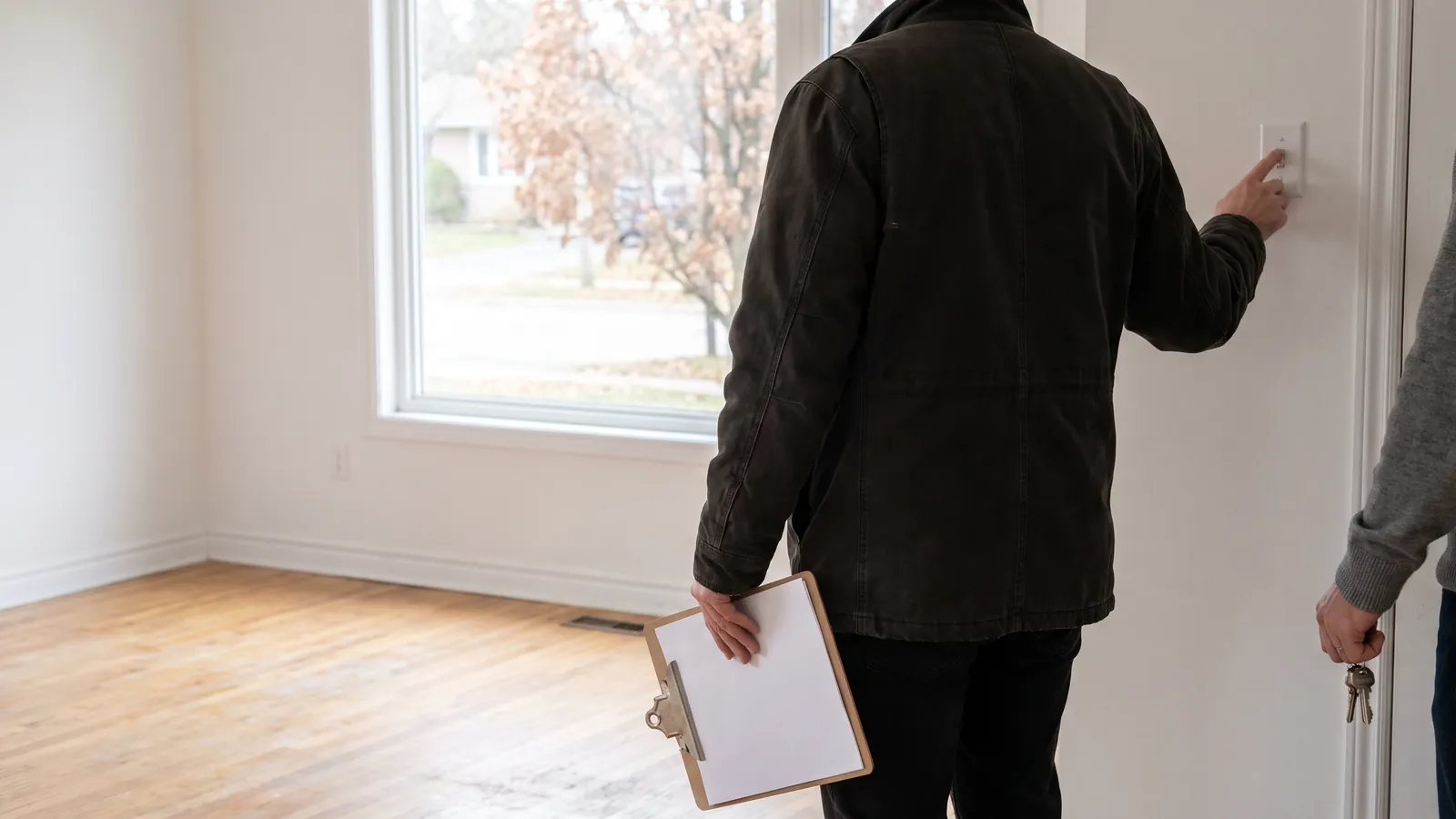
In Ontario, no rule gives a buyer a set number of visits between the accepted offer and closing day. You get the visits your agreement of purchase and sale gives you, and nothing more unless the seller agrees. The Real Estate Council of Ontario (RECO) puts it simply: pre-closing visits are negotiable, so the time to ask for them is when you write the offer.
If you're buying a newly built home, there's one visit you always get: the builder's pre-delivery inspection, which Tarion requires of every builder. Below: how visits work on a resale, who can come with you, what to check, what to do if something is wrong, and how the new-build inspection differs.
How many visits do you get?
On a resale home, the number is whatever your agreement says. If your offer says nothing about visits, the seller doesn't have to let you back in before closing. After all, as RECO's registrar has pointed out, during pre-closing visits the property still belongs to the seller.
So decide what you need before you sign, and have it written into the offer:
- How many visits. RECO's guidance to agents is that if a buyer needs more than one, a term for additional visits can be put in the offer.
- When. RECO suggests a clause that allows a visit close to the actual closing day, so you can confirm the home's condition and that agreed repairs were done.
- Who can come, if you already know you'll want a contractor, a designer or a family member with you.
Your agent drafts these terms with you. If you've already signed and the agreement is silent or gives you fewer visits than you now want, your agent can ask the seller's side for another, but the seller can say no.
An example. You buy a $900,000 resale house in Mississauga with closing 60 days out, and your agreement allows two visits. You might use the first one a few weeks in, to measure rooms and windows for furniture and blinds. You'd keep the second for the last days before closing, when the seller has mostly moved out, because that's the one that tells you what you're actually getting. (The price, the dates and the number of visits here are made up to show the idea.)
Who can come with you
RECO's registrar describes pre-closing visits as usually limited to the buyer and the buyer's salesperson or broker. Anyone else needs the seller's permission first. RECO's list of "anyone else" is long: potential tenants, contractors, designers, home inspectors, and even friends or family.
Two more points from the same guidance:
- Your agent comes too. RECO expects agents to personally accompany their clients to all pre-closing visits, so they can deal directly with the seller's representative if a problem turns up.
- It isn't your home yet. A visit isn't the time to start work or to show a basement apartment to future tenants, unless the agreement allows it or the seller has given specific permission. Renovations wait until the deal closes.
What to check on the last visit
RECO calls the pre-closing visit the buyer's last chance to verify four things. Use them as your list:
- The home is in the condition it was in when you last saw it. Walk every room, the basement and the garage. Look at floors, walls, ceilings, windows and doors. Look for new stains, cracks or damage from moving furniture.
- The appliances and major systems work. Run each included appliance briefly. Turn the furnace and the air conditioner on. Run hot water at the taps, flush the toilets, and try the lights, the outlets you can reach and the garage door opener.
- Everything included in the agreement is still there. Bring your agreement and check the included items one by one: appliances, light fixtures, window coverings, and anything else you negotiated.
- Agreed repairs are done, and other terms have been met. If the seller promised a repair, ask to see the receipt, and look at the work.
A tip from RECO for the third point: record the model and serial numbers of the appliances and other included items, so it's clear if something was swapped for a different one. The easiest time to do that is early, at your home inspection or a first visit, with photos on your phone. Our home viewing checklist has a longer room-by-room list you can reuse.
Take photos of anything that looks wrong, and write down what you tested and when.
If something is wrong
Don't argue it out at the door. Tell your agent on the spot, since they're there for exactly this, and call your lawyer the same day.
What happens next depends on the problem and on what your agreement says. RECO describes two tools that are worth knowing about, both of which have to be arranged, not assumed:
- Terms about the home's condition on closing. RECO suggests that an offer can include terms about the state of the home and its contents on the completion date. For substantial damage or change, those terms could require the seller to restore the property or pay for the necessary repairs.
- A holdback. With a lawyer's help, the two lawyers may agree that some of the purchase money is held back and released to the seller only after closing, once you're satisfied with the condition of the home. RECO's example is a holdback of $500 to $1,000. A holdback is negotiated; the seller doesn't have to agree to one.
RECO also notes that a buyer who finds damage after moving in can take the seller to court, and that doing so is lengthy, expensive and stressful. That's the reason to schedule the last visit as late as you can: a problem found before closing can still be sorted out between the lawyers. See what a real estate lawyer does for a buyer.
Source: Real Estate Council of Ontario (2018 guidance on pre-closing visits) and Tarion: The Pre-Delivery Inspection.
New builds: the pre-delivery inspection
A newly built home or condo works differently. Tarion says all builders are required to do a thorough, floor-by-floor walk-through with you before they hand over the keys. This is the pre-delivery inspection, or PDI.
- What happens. The builder leads the visit and shows you how to operate the home's systems, such as heating, plumbing and ventilation. Together you record on the builder's PDI Form anything that is incomplete, damaged, missing, inaccessible or not working properly. Also note things you couldn't check, and any substitution you didn't agree to.
- Who can come. You or someone you appoint must be there. Tarion says there is no restriction on whom you choose to bring or send. If you send someone in your place, you give the builder written authority for them to sign, on Tarion's form for appointing a designate.
- What you leave with. Copies of the completed PDI Form and the Certificate of Completion and Possession. The certificate shows the home's Tarion enrolment number and the date of possession, which is also the day your statutory warranty starts.
- What the form is not. Tarion says the PDI Form does not represent a request for warranty service. Missing an item on it doesn't necessarily affect your coverage, but the form is useful evidence if you and the builder later disagree about whether damage was there before you moved in.
- Condos. The common elements aren't part of your unit's PDI. Tarion says to report common element defects to the condo's board of directors.
Anything not fixed by move-in goes on a Tarion warranty form. The first-year windows are counted from your date of possession:
Tarion asks you to tell your builder about an issue and give them a chance to address it before you make a claim.
Source: Tarion: Claim forms & timelines, opened November 25, 2026.
The Home Construction Regulatory Authority adds one step before closing: review the issues raised at the PDI to make sure they've been addressed and, if they haven't, ask the builder for a written explanation.
What this means for GTA buyers
- Ask for visits in the offer. Say how many and when, and name anyone you'll want to bring. This matters even more with a firm offer and no inspection, when a visit is your only look inside between the showing and closing day.
- Save the last one for the final days. A visit a month before closing can't tell you what the home looks like after the move-out.
- Bring the agreement, a phone and a charger. The agreement is your checklist of what's included; the phone is for photos; the charger is a quick way to test outlets.
- Report problems the same day, to your agent and your lawyer, in writing and with photos.
- Keep it in the timeline. The last visit sits alongside signing with your lawyer and sending funds. See how long closing takes in Ontario and the statement of adjustments.
Still looking? Search homes on the Dibz map, see this weekend's open houses, and get help writing an offer with the right terms from a licensed agent through Buy with an agent.
FAQ
Is a final walk-through required in Ontario?
Not on a resale. You have the right to one only if your agreement gives it to you, so ask for it in the offer. On a newly built home, the builder must do a pre-delivery inspection with you before handing over the keys.
Can I bring a home inspector or contractor to a pre-closing visit?
Only with the seller's permission, unless your agreement already allows it. RECO says visits are usually limited to the buyer and their agent, and that anyone else, including inspectors, contractors and family, needs the seller's permission first.
Can I start renovations or move things in before closing?
No, unless the seller specifically agrees. The home belongs to the seller until the deal closes, and RECO's guidance is that renovations wait until then.
What if I find damage on the last visit?
Tell your agent right away and call your lawyer. Depending on your agreement, the lawyers may arrange a repair, compensation or a holdback before closing. What you can ask for depends on what was signed.
Does my agent have to come to the visit?
RECO expects agents to personally accompany their clients to all pre-closing visits, so they can raise any problem directly with the seller's representative.
Sources
- Real Estate Council of Ontario: Ask the Registrar, Pre-closing visits: the property belongs to the seller during visits, who can attend, what the visit is for, agents accompanying clients, renovations waiting until closing. Published July 31, 2018; opened November 25, 2026.
- Real Estate Council of Ontario: When the property is damaged after the offer: visits are negotiable, a visit close to closing day, terms about the home's condition on completion, recording model and serial numbers, the $500 to $1,000 holdback example. Published May 31, 2018; opened November 25, 2026.
- Tarion: The Pre-Delivery Inspection: the required walk-through, who must be present, designates, the PDI Form, the Certificate of Completion and Possession, condo common elements. Opened November 25, 2026.
- Tarion: Claim forms & timelines: Initial, Mid-Year and Year-End Form windows; notifying the builder first. Opened November 25, 2026.
- Home Construction Regulatory Authority: After you buy a new home in Ontario: the PDI and reviewing PDI issues before closing. Opened November 25, 2026.
This article is general information, not legal, tax or financial advice. Rules change; confirm the details with your lawyer, lender or the official source.
Dibz is a home search app for the Greater Toronto Area, built on the live TRREB MLS® feed and operated by HighPoint Homes Realty, Brokerage. We write these guides from what we see in the market every day and check every rule and number against official sources, listed at the end of each article. Charts marked "Dibz analysis" are calculated from active MLS® listings on the date shown. How we research, date and correct articles: our editorial policy.
Keep reading

Statement of adjustments in Ontario (2026): who pays what
The statement of adjustments splits property tax, condo fees and other costs between you and the seller on closing day. How it works, with a worked example.
What does a real estate lawyer do for a buyer in Ontario? (2026)
Your lawyer checks title, handles the money, pays land transfer tax and registers the home in your name. What they do, the rules they follow and what you pay.
Title insurance in Ontario (2026): what it covers, do I need it?
Title insurance isn't required in Ontario, but many buyers get it. What it covers, what it leaves out, the lawyer's duties and the government's fund.